Worldwide Identity Authentication Register – 18666476929, 18666504801, 18666746791, 18666883888, 18667066894, 18667276468, 18667331800, 18667478132, 18667956410, 18668817582
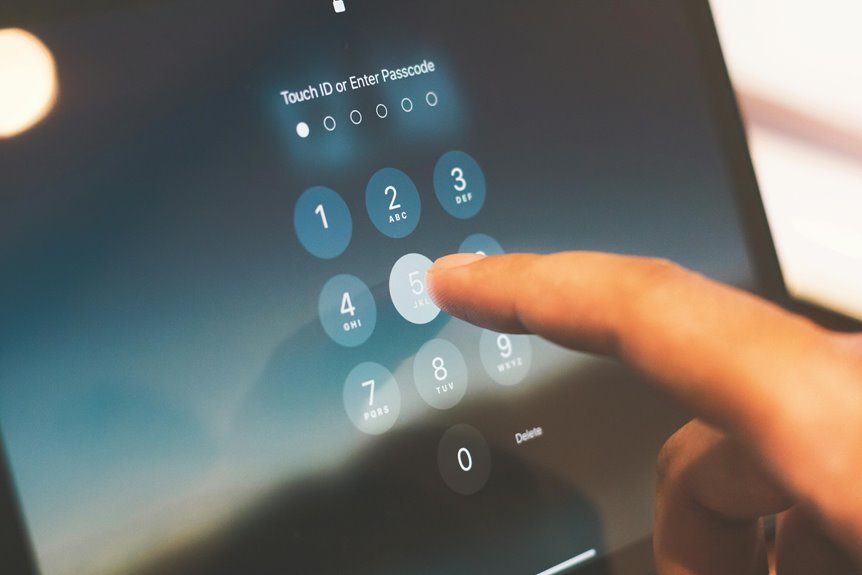
The Worldwide Identity Authentication Register (WIAR) aggregates verified identity data from diverse sources into a global reference framework. It aims to balance rapid, interoperable verification with stringent governance, data integrity, and auditable controls. Privacy protections and risk mitigation are central, guiding practical implementations for cross-border use. The framework prompts scrutiny of data flows, consent, and governance models. Stakeholders—businesses, regulators, and individuals—must assess how such a system could reshape verification practices and accountability as standards evolve.
What Is the Worldwide Identity Authentication Register?
The Worldwide Identity Authentication Register is a centralized system that compiles verified identity data from multiple sources to establish and confirm individual identities on a global scale. It operates as a reference framework for identity verification, aggregating validated records while implementing privacy safeguards. The register emphasizes data integrity, governance, and transparent access controls, supporting accountable, privacy-preserving identity verification practices.
How Does the Register Affect Everyday Users and Privacy?
The Worldwide Identity Authentication Register reshapes everyday interactions by providing a standardized, verifiable identity reference that entities rely on for accuracy and speed.
For users, it introduces predictable verification flows, and potential exposure to centralized data processing.
Privacy concerns center on data minimization, requiring limited collection and retention to reduce profiling risks while preserving usability and trust in digital interactions.
Implications for Businesses and Regulators in Fraud Prevention
Businesses and regulators must assess how the Worldwide Identity Authentication Register reshapes fraud prevention strategies, balancing enhanced verification with practical implementation.
The framework prompts rigorous risk assessment, governance, and cross-border data handling.
Facial recognition and credential screening become central tools, yet safeguards against identity theft require audit trails, accountability, and proportionality to avoid chilling legitimate activity.
Collaboration ensures consistent standards and effective enforcement.
Evolving Standards, Technologies, and Future Outlook
What standards and technologies will define the evolution of the Worldwide Identity Authentication Register, and how might they shape future practice?
The trajectory emphasizes interoperable identity verification, privacy-preserving protocols, and modular risk scoring. Standards bodies converge on verifiable credentials, decentralized identifiers, and secure enclaves.
Tradeoffs between convenience and privacy persist, guiding policy adjustments and governance to balance privacy tradeoffs with robust authentication.
Frequently Asked Questions
How Are My Contact Details Protected Beyond Basic Encryption?
Privacy safeguards extend beyond basic encryption by restricting access, implementing rigorous authentication, and monitoring anomalies; data minimization ensures only essential contact details are stored, retained, and transmitted, reducing exposure while preserving user autonomy and trust.
What Fees or Costs Accompany Participation in the Register?
Fees and costs for participation details are not specified here; the register’s terms should outline any charges, eligibility, and ongoing obligations, with upfront disclosures and rights to decline participation without penalty.
Can Individuals Opt Out or Delete Their Identity Data?
“Where there’s a will, there’s a way.” The register does offer opt out options and data deletion for individuals, enabling removal of personal identifiers, subject to verification, retention limits, and applicable legal obligations; check compliance timelines.
How Is Cross-Border Data Sharing Governed and Audited?
Cross border data sharing is governed by strict international frameworks and bilateral agreements, enforced through comprehensive governance audits, auditing trails, and independent oversight to ensure lawful, transparent, and accountable cross-jurisdictional data transfers.
What Happens if a Data Breach Affects the Register?
Anecdotal aside aside, the register enacts immediate containment; data breach repercussions prompt rapid breach response governance, forensic assessment, notification to affected parties, regulatory liaison, and compensatory measures, while preserving core identity integrity and ongoing system resilience.
Conclusion
The WIAR emerges as a lighthouse—its stones forged from verifiable data, guiding cross-border trust without surrendering privacy. Like a mosaic of consent, governance, and audit trails, it reframes verification from a voxel of fragmented signals into a coherent skyline. For users, it promises clearer identity bearings; for businesses and regulators, a map of accountability. Yet the window must remain awash with privacy-preserving glass, ensuring light travels without exposing intimate shadows. A measured, forward-leaning beacon for identity stewardship.