What No One Tells You About Post-Pregnancy Body Changes
Pregnancy transforms the body in ways that extend far beyond the nine months of gestation. While most conversations focus on weight gain and stretch marks, deeper physiological changes often remain unspoken. These shifts affect muscle structure, connective tissue, skeletal alignment, and metabolic function long after delivery. Understanding these realities helps women make informed decisions about recovery and body restoration strategies that truly address their needs.
Abdominal Muscle Separation Persists Without Intervention
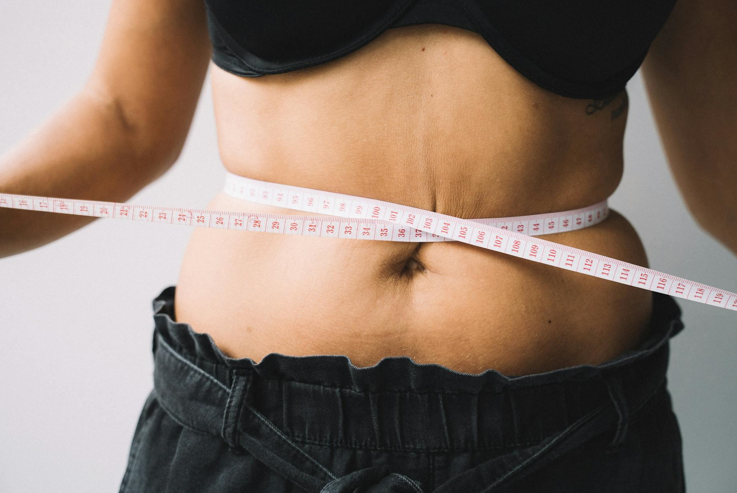
Diastasis recti occurs when the linea alba, the connective tissue between the rectus abdominis muscles, stretches and thins during pregnancy. This separation can measure several centimeters wide and often fails to close naturally after delivery. Women may notice a persistent bulge in the midsection, especially when engaging the core muscles. Standard exercises can worsen the condition if performed incorrectly. Physical therapy provides targeted strategies, but severe cases may require surgical correction. A tommy tuck addresses this separation by repairing the muscle wall and removing excess skin, restoring both function and contour. Without proper intervention, the gap can contribute to lower back pain and reduced core stability for years.
Pelvic Floor Weakness Affects Daily Function
The pelvic floor muscles support the bladder, uterus, and bowel, but pregnancy and vaginal delivery can stretch or damage these structures. Many women experience stress incontinence when laughing, coughing, or exercising. Some notice reduced sexual sensation or difficulty with bowel movements. These symptoms often persist silently because women hesitate to discuss them. Pelvic floor physiotherapy offers effective exercises to rebuild strength and coordination. In cases where tissue damage is significant, surgical repair may be necessary. Addressing these issues early prevents progression and improves quality of life substantially. The condition does not resolve with time alone, contrary to common misconceptions.
Skin Elasticity Diminishes Permanently
The rapid expansion of abdominal skin during pregnancy damages elastin and collagen fibers that provide firmness and resilience. After delivery, skin may hang loosely over the abdomen regardless of weight loss or exercise efforts. This laxity reflects structural changes at the dermal level, not excess fat. Topical treatments and hydration cannot reverse this damage because the proteins responsible for skin elasticity have been permanently altered. The degree of laxity depends on factors including genetics, age at pregnancy, number of pregnancies, and skin quality before conception. Surgical excision remains the only method to remove redundant skin and restore a taut abdominal profile. Women who understand this distinction can set realistic expectations for postpartum recovery.
Breast Volume and Shape Transform Irreversibly
Hormonal changes during pregnancy cause breast tissue to expand significantly, stretching the skin and suspensory ligaments. After weaning, glandular tissue often shrinks below pre-pregnancy levels, leaving deflated-looking breasts with excess skin. The nipple-areolar complex may shift downward, and asymmetry becomes more pronounced. These changes occur regardless of breastfeeding choices, as the hormonal environment alone triggers tissue remodeling. Weight fluctuations during and after pregnancy exacerbate volume loss. Many women find that no amount of chest exercise restores the fullness or position they had before childbirth. Surgical options include augmentation, lift, or combined procedures depending on individual tissue characteristics and aesthetic goals. Recognizing these changes as structural rather than lifestyle-related helps women approach restoration with clarity.
Metabolism Shifts After Childbirth
Pregnancy alters metabolic set points in ways that can persist for years. Some women find their bodies retain fat more readily, especially around the midsection and hips, despite returning to previous eating and exercise habits. Thyroid function may shift, affecting energy levels and weight regulation. Insulin sensitivity can decrease, particularly after gestational diabetes. These metabolic changes reflect adaptations designed to support lactation and recovery, but they do not always normalize completely. Sleep deprivation and stress hormones from new parenthood further complicate metabolic function. Addressing these factors requires comprehensive evaluation rather than generic diet advice. Women benefit from medical assessment to identify specific hormonal or metabolic imbalances that may need targeted treatment beyond standard lifestyle modifications.
See also: Local Optician Services: Your Trusted Partner for Clearer, Healthier Vision
Skeletal Structure Undergoes Lasting Realignment
The hormone relaxin softens ligaments throughout the body during pregnancy, allowing the pelvis to expand for delivery. This increased joint laxity affects the hips, lower back, and sacroiliac joints. After birth, these structures may not return to their original positions, leading to persistent discomfort or altered gait patterns. Some women notice their shoe size increases permanently as foot arches flatten under pregnancy weight. Rib cage expansion may also remain, changing torso dimensions. These skeletal changes contribute to a different body shape that exercise and weight loss cannot address. Physical therapy can improve alignment and reduce pain, but structural shifts often persist. Understanding these changes helps women adjust their expectations and seek appropriate interventions for lasting comfort.