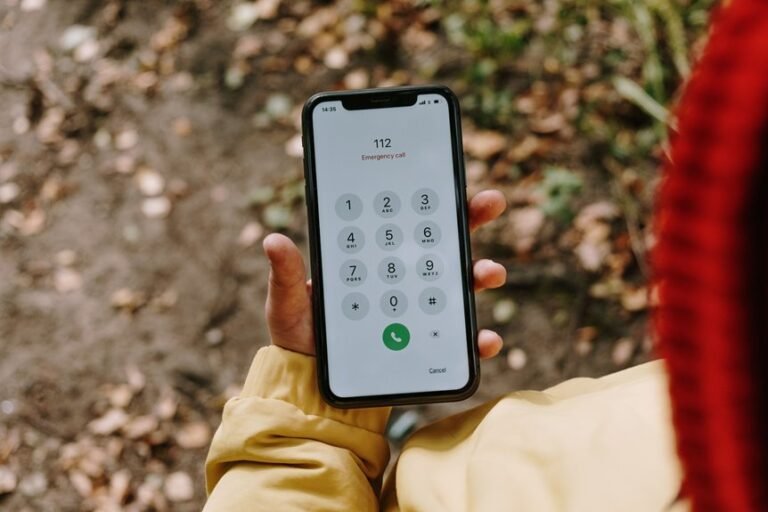
Caller Identity Review: 8000148840, 6314823824, 6018122573, 8018952166, 855-983-4929, 980-213-0714, 833-861-4045, 9204312121, 6466062860 & 833-700-2510
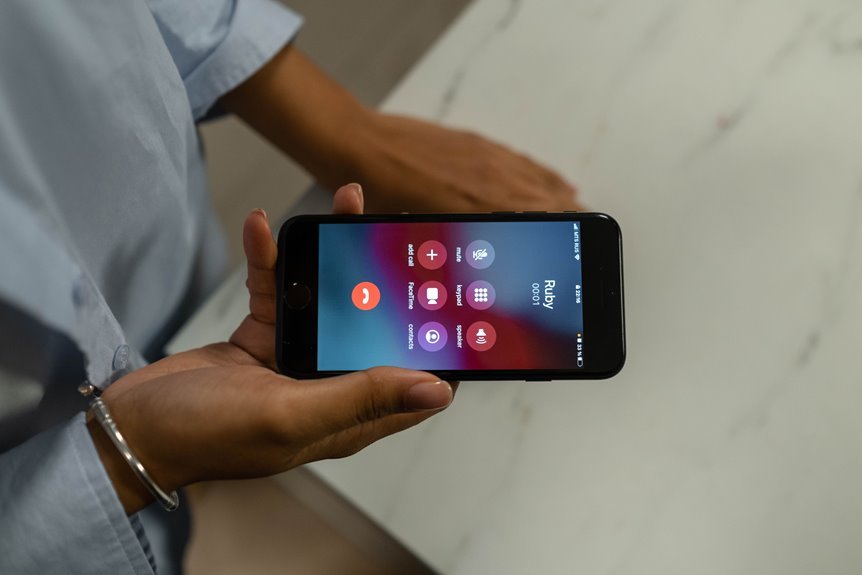
Caller identity review for the listed numbers requires a disciplined, privacy-forward approach. The discussion will weigh provenance, ownership changes, routing anomalies, and cross-checks against legitimate contacts, while limiting exposure of personal data. Each step must be documented with concise risk assessments and timestamps, enabling audits without compromising privacy. The aim is to establish a repeatable process that resists manipulation, yet remains practical for ongoing engagement; the next point highlights where the evidence currently stands.
What Caller Identity Is and Why It Matters
Caller identity refers to the information that confirms who is initiating a call, typically including the caller’s number, name, and associated metadata.
The analysis emphasizes call authenticity, aiming to verify provenance without compromising privacy.
It examines systemic reliability, data integrity, and user autonomy.
Red Flags to Watch for in Numbers Like the List
Red flags in numbers listed for caller identity analysis arise when signals contradict expected provenance, such as inconsistent spellings, rapid changes in ownership, or anomalous routing that suggests spoofing or fraud.
The review highlights fraud indicators and verification pitfalls, urging careful attribution without exposing personal data.
A disciplined, privacy-forward lens reveals gaps, enabling cautious interpretation while preserving user autonomy and security.
Practical Verification Steps for Each Caller
In the wake of identifying indicators of potential caller fraud, a structured set of verification steps is applied to each incoming contact to ensure accuracy and minimize exposure of personal data.
The process emphasizes caller verification, cross-checks with contextual data, and concise risk assessment.
Documentation records are limited, preserving privacy while ensuring traceability and accountability within a freedom-respecting investigative framework.
How to Protect Your Time and Data Going Forward
How can individuals safeguard both time and data in ongoing communications? A meticulous approach guards efficiency and privacy, prioritizing verified contacts, minimal exposure, and disciplined schedules. Techniques include strict consent, encryption, and timestamped interactions. Awareness of an unrelated tangent or speculative speculation helps prevent biased decisions. Ongoing audits reinforce boundaries, supporting freedom through informed, purposeful, and protected engagement.
Frequently Asked Questions
Can I Determine the Owners of These Specific Numbers Legally?
Determining owners of these numbers legally hinges on privacy laws and consent. Owner lookup legality varies by jurisdiction; analytical tools, regional scam indicators, and verification tools inform risk. Call audit frequency and reporting to law enforcement guide responsible use.
Do These Numbers Indicate a Scam Specific to a Region?
Yes, these numbers do not establish a regional scam pattern on their own; regionality is inconclusive. The analysis emphasizes Scam regionality and Caller verification, highlighting cautious verification practices while preserving privacy for individuals and communities seeking liberty.
Are There Recommended Third-Party Tools for Verification?
Yes, there are verified verification tools available; researchers advocate careful vendor evaluation. The approach emphasizes privacy, rigorous caller research, and transparent data handling to mitigate risk while preserving user autonomy and freedom.
How Often Should I Audit Calls From Similar Numbers?
Auditors should set an audit cadence of quarterly reviews for similar numbers, adjusting with detected anomalies; consistent verification protects number ownership and privacy. The anecdote: a retailer caught a spoofed line after a routine quarterly check, prompting safeguards.
Can I Report These Exact Numbers to Law Enforcement?
Yes, these numbers can be reported to law enforcement; it involves Call privacy and Data sharing considerations, with careful documentation. The report should emphasize privacy protections, verify evidence, and outline lawful channels while preserving user autonomy.
Conclusion
In summary, meticulous method minimizes missteps and maximizes privacy. Prudent, punctual people parse provenance, prune ambiguity, and protect participants. Precisely, perform prudent probing, pause when red flags arise, and publish pared logs with privacy-preserving pointers. Practiced process, plus prudent verification, prevents pernicious pretext. Provenance, provenance, provenance—patterns predict peril. Procedural checks, cross-referencing, and controlled disclosures keep data safe, decisions sound, and engagements efficient. Public-facing practice preserves privacy while promoting principled, proactive, and perceptive handling of potential caller concerns.