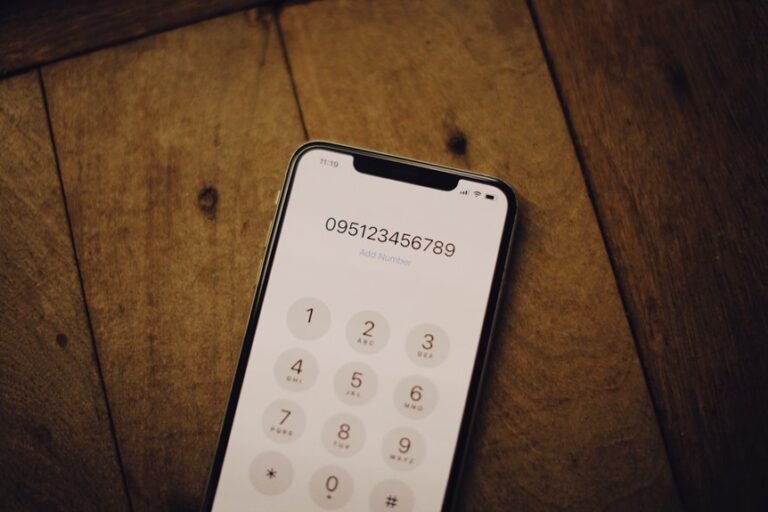
Phone Number Registry: 4014068198, 6193091756, 8883911129, 2483853044, 4045674598, 7085513042, 5407317304, 833-871-0557, 226 250 0209 & 7314100312

A phone number registry frames how numbers map to owners, services, and contexts of use. It emphasizes governance, provenance, and privacy to enable lawful access and auditable activity. Built for interoperability and risk assessment, it balances usefulness with consent and purpose limitation. The list of numbers invites scrutiny of accuracy, lineage, and exposure controls. Stakeholders must consider governance standards and ongoing validation to determine how such a registry could operate in real-world settings.
What a Phone Number Registry Really Is
A phone number registry is a centralized or shared repository that records and maintains the association between telephone numbers and their assigned owners or services.
The framework emphasizes accountability, accessibility, and governance.
It highlights privacy pitfalls and data accuracy concerns, ensuring consent and transparency.
Practitioners evaluate scope, compliance, and security, balancing usefulness with individual rights while preserving reliable number-to-entity mappings.
How Registries Are Built and Used
Registries are built through layered data governance, standardized schemas, and integrated input from multiple stakeholders to ensure accurate, verifiable mappings between numbers and their owners or services.
They enable disciplined usage, governance, and ongoing validation. Privacy management, data provenance, risk assessment, and accuracy assurance guide lifecycle decisions, syncing operational needs with compliance obligations while preserving interoperability and scalable access for legitimate, freedom-oriented inquiry.
Privacy, Trust, and Risk in Number Data
Privacy, trust, and risk in number data hinge on deliberate governance that balances transparency with protection.
The framework emphasizes accountability, data minimization, and auditable processes to mitigate misuse and unauthorized access.
Organizations must address privacy concerns and uphold data ethics, ensuring clear purpose limitation, robust access controls, and ongoing risk assessment to sustain public confidence while enabling legitimate, freedom-respecting data use.
How Individuals and Businesses Can Stay Informed and Protected
Individuals and businesses can stay informed and protected by establishing consistent monitoring of regulatory updates, industry standards, and organizational practices governing number data. This disciplined approach supports proactive risk assessment, transparent reporting, and accountable data handling.
Awareness of privacy pitfalls and robust data governance reduces exposure, reinforces trust, and sustains compliant operations while preserving freedom to innovate and adapt within evolving regulatory landscapes.
Frequently Asked Questions
How Often Are Phone Number Registries Updated?
Update frequency varies by registry; generally quarterly or monthly. The system weighs privacy implications, implements spoof detection, and enforces geolocation limits. Access penalties deter misuse, ensuring compliant data handling while preserving user freedom and accountability.
Which Industries Rely Most on Number Registries?
Industries reliant on registries include telecommunications, finance, healthcare, and e-commerce. Registries importance lies in compliance, risk assessment, and fraud prevention, while enabling efficient customer verification, regulatory reporting, and cross-sector data interoperability for streamlined operations and trust.
Can Registries Detect Spoofed Caller ID?
In a hypothetical case, registries can detect spoofed callerID patterns through metadata and signaling analysis. They can detect irregularities, though precision varies; how often such detections occur depends on system rigor and data access by phone registries.
Do Registries Track Geolocation by Number?
Geolocation tracking by registries is limited; they do not continuously monitor precise locations. Instead, they may log routing metadata and call-source patterns. Spoofed caller IDs hinder accuracy, but regulatory frameworks push improvements for accountability.
What Are Penalties for Accessing Registries Improperly?
Penalties overview: Accessing registries improperly carries criminal and civil risks. A manufacturer’s recall of data illustrates consequences; violations include fines, imprisonment, and injunctive relief. Legal compliance requires strict authorization, auditing, and documented, legitimate purposes for access, with transparency.
Conclusion
A phone number registry embodies governance, provenance, and access control. It documents ownership, purpose, and consent, ensuring traceable usage. It supports interoperability, risk assessment, and compliance, while preserving privacy. It enables legitimate inquiry, auditing, and redaction when warranted. It fosters transparency, accountability, and trust through clear purpose limitation. It standardizes validation, strengthens governance, and drives continuous verification. It informs stakeholders, protects individuals, and guides responsible innovation, while maintaining privacy, security, and accurate data stewardship.