Phone Record Lookup: 6194717670, 877-833-4675, 604 342 1000, 7576542083, 4033510200, 519-340-1146, 7858424966, 49221945760580, 5042036555 & 16137029041
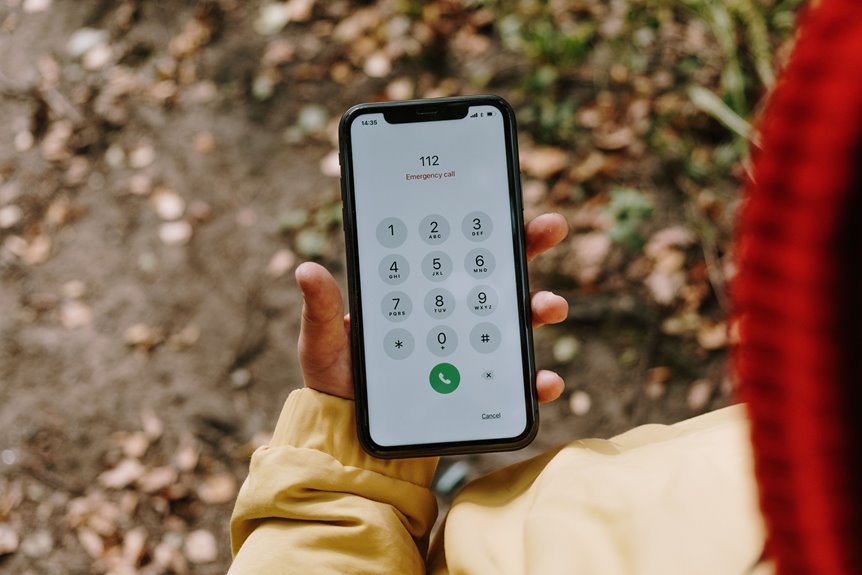
Phone record lookup raises questions about what each number’s metadata can reveal. Timing, duration, participants, devices, and networks illuminate patterns and affiliations, yet they also invite privacy and governance concerns. The discussion must weigh consent, provenance, and data minimization against the need for evidence-based verification. The topic invites careful scrutiny of limits and safeguards, and suggests that the implications extend beyond individual cases—prompting a closer look at how these signals are used and regulated.
What “Phone Record Lookup” Actually Reveals
Phone record lookups can reveal a range of metadata rather than the content of conversations. In this context, the data primarily encompasses call timing, duration, and participant numbers, along with device and network identifiers. Analysts emphasize that such footprints can expose patterns, associations, and routine behaviors. Therefore, awareness of phone records implications under data privacy frameworks is essential for informed, freedom-respecting oversight.
How to Verify Numbers Responsibly and Legally
Verifying numbers responsibly and legally requires a framework that prioritizes user consent, applicable laws, and verifiable provenance of the data. Practitioners assess consent provenance, audit trails, and data minimization, ensuring privacy considerations are central.
Legal compliance hinges on jurisdictional restrictions, licensing, and transparent disclosure.
Evaluation favors verifiable sources, documented provenance, and ongoing governance to reduce risk and uphold trust.
Spotting Red Flags: Scams, Privacy, and Data Gaps
Spotting red flags in phone record lookup requires a disciplined, evidence-based approach to identify scams, privacy risks, and data gaps. The analysis emphasizes transparency, source credibility, and cross-checking signals while acknowledging privacy pitfalls that can accompany data aggregation. By mapping inconsistencies and missing context, researchers illuminate data gaps, enabling informed choices and safeguarding personal autonomy without overclaiming certainty.
A Practical, Step-by-Step Lookup Toolkit for 6194717670, 877-833-4675, 604 342 1000, 7576542083, 4033510200, 519-340-1146, 7858424966, 49221945760580, 5042036555 & 16137029041
A practical, step-by-step lookup toolkit is presented for evaluating the numbers 6194717670, 877-833-4675, 604 342 1000, 7576542083, 4033510200, 519-340-1146, 7858424966, 49221945760580, 5042036555, and 16137029041, emphasizing methodical data gathering, cross-referencing, and provenance assessment. The approach supports phishing awareness and data minimization, promotes evidence-driven conclusions, and preserves user autonomy through disciplined, transparent verification, minimizing overreach while maximizing verifiable origin and context.
Frequently Asked Questions
Can I Trace a Voicemail Origin With These Numbers?
Yes, it is possible in limited contexts, though trace legality and privacy risk vary; success depends on lawful access, cooperative services, and robust authentication, with careful consideration of data protection laws and verifiable consent, or alternate investigative approaches.
Do Numbers Indicate Business vs. Personal Use?
Yes, not determinable from numbers alone; business or personal use varies by context, so telecommunication etiquette and data privacy principles urge cautious interpretation, relying on metadata, consent, and documented attribution rather than assumptions about callers.
How Accurate Are Reverse-Lookup Results Across Providers?
Reverse-lookup accuracy varies by provider, with inconsistencies due to data refresh lag, carrier updates, and regional records; the assessment insists on unrelated topic and privacy ethics, highlighting evolving standards, transparency, and user empowerment in data handling.
Can I Request Records for Minors or Third Parties?
Can a requester obtain records for minors or third parties? In practice, cannot disclose personal data without legitimate authorization; illegal activity may trigger disclosure prohibitions and legal scrutiny, with strict compliance obligations and verified, purpose-limited access.
What Laws Regulate Sharing Phone Record Details Publicly?
Public sharing of phone records is governed by privacy laws and data sharing regulations; disclosure without consent is restricted, with exceptions for law enforcement, service providers, and court orders. The analysis is meticulous and evidence-driven.
Conclusion
In the hush of data, numbers mirror habits, not destinies. The lookup reveals patterns—timings, ties, trails—yet rests on a fragile scaffold of provenance and consent. Meticulous cross-checks expose truth while guardrails shield autonomy. This forest of signals demands cautious mapping: minimize exposure, verify sources, and acknowledge gaps. When scrutiny is disciplined and transparent, patterns become evidence rather than intrusion, guiding responsibility through the tangled vines of privacy, governance, and ever-shifting digital footprints.