Digital Operations Authentication Matrix – user4276605714948, uwco0divt3oaa9r, Vbhjgjkbc, Venawato, Vrhslena
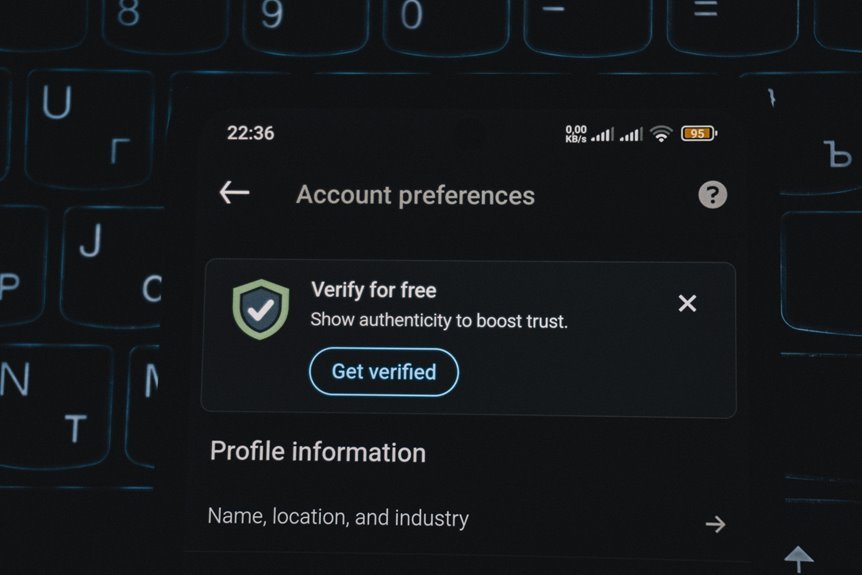
The Digital Operations Authentication Matrix for user4276605714948 and associated identifiers presents a structured approach to identity, session, and policy-driven access. It aligns risk contexts with layered controls and continuous monitoring to sustain resilience without sacrificing operational velocity. The discussion frames threat modeling, fit assessment, and adaptive authentication journeys as core levers for governance and rapid containment. A precise deployment path awaits, offering metrics and iterations that will determine its effectiveness in real-world environments.
What Is the Digital Operations Authentication Matrix?
The Digital Operations Authentication Matrix is a structured framework that maps authentication methods to procedural workflows and risk contexts within digital operations. It clarifies digital identity, delineates how access tokens enable secure sessions, supports threat modeling, and guides the implementation of layered controls. The matrix empowers decision-makers, balancing freedom with disciplined security, and aligning authentication choices to operational risk and resilience.
Core Components and How User4276605714948, Uwco0divt3oaa9r, Vbhjgjkbc, Venawato, Vrhslena Fit
Core components of the Digital Operations Authentication Matrix comprise a precise set of elements: identity representations, token-based session management, policy-driven access controls, and risk-context mappings.
The discussion centers on how core components align with user fit, ensuring scalable, flexible deployments.
This structure enables clear governance, disciplined provisioning, and adaptive authentication journeys, reinforcing secure, freedom-supporting operations without compromising performance or autonomy for diverse user cohorts.
Threat Modeling and Layered Controls for Resilient Access
Threat modeling in this context proceeds from core components by mapping potential attack surfaces to layered controls that enforce least privilege, continuous monitoring, and rapid containment.
The analysis emphasizes privacy gaps and threat modeling as ongoing disciplines, not checklists.
Access resilience emerges through proportional controls, auditability, and adaptive responses, enabling freedom through transparent risk awareness and decisive, minimal-impact responses to evolving threats.
Deployment Playbook: Implementing, Measuring, and Iterating the Matrix
How can organizations translate the Digital Operations Authentication Matrix into actionable steps that deliver measurable security outcomes?
The deployment playbook translates governance into practice, aligning deployment cadence with real-time risk signals. It codifies threat modeling into measurable checks, embeds feedback loops for rapid iteration, and implements resilience controls that adapt to evolving threats while sustaining operational freedom and strategic governance.
Frequently Asked Questions
How Does the Matrix Adapt to Evolving User Roles?
The matrix adapts by tracking role evolution and aligning permissions accordingly. It supports how roles evolve and how access changes, updating entitlements in real time while maintaining security controls and empowering users with flexible, governed access.
What Are Common Misconfigurations to Avoid?
Misconfiguration pitfalls include overly permissive access, stale role mappings, and ambiguous ownership; governance gaps arise when change controls, reviews, and exception processes are weak, enabling drift. This compromises security posture and operational clarity while undermining accountability and resilience.
Can It Integrate With Legacy Authentication Systems?
Symbology signals a bridge: yes, it can integrate with legacy authentication systems. The balance hinges on integration friction and legacy compatibility, requiring careful mapping, protocol alignment, and phased modernization to preserve security while enabling gradual interoperability.
How Often Should Metrics Be Reviewed for Tuning?
How often should metrics review occur? Regular cadence matters; conduct quarterly evaluations with monthly health checks, then adjust frequency after outcomes. This approach balances agility and stability, enabling proactive tuning while preserving operational freedom and strategic clarity.
What Training Helps Users Leverage the Matrix Effectively?
Training helps users leverage the matrix through clear training strategies that address adoption obstacles; it emphasizes practical, strategic exercises, onboarding milestones, and scenario-based practice to build confidence while preserving autonomy and promoting steady, independent use.
Conclusion
The Digital Operations Authentication Matrix provides a concise, strategic blueprint for aligning identity representations, token-based sessions, and policy-driven controls with risk contexts. By emphasizing threat modeling and layered defenses, it supports resilient access without compromising performance. An intriguing stat: organizations implementing adaptive authentication see up to 30% faster containment of credential-based incidents. This matrix, with its deployment playbook and governance-driven provisioning, enables scalable, continuous improvement across diverse cohorts while maintaining operational efficiency.