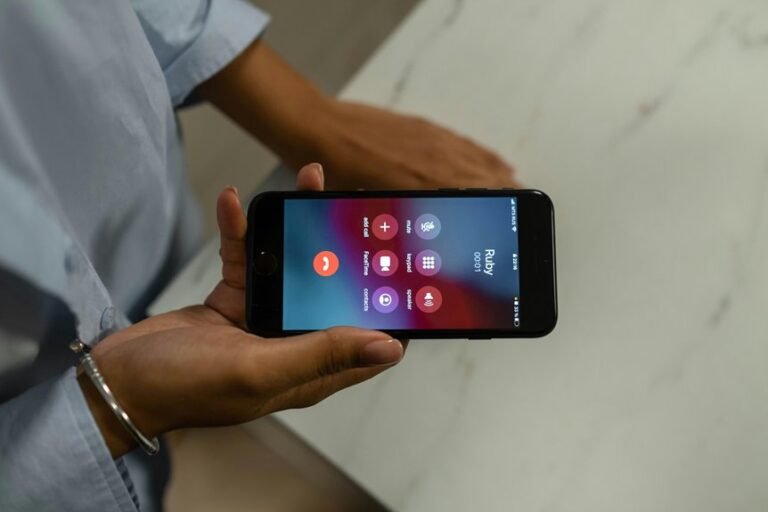
Analysis Report on 833-263-2861 Phone
The analysis of phone number 833-263-2861 reveals intriguing patterns in its call activity. Frequent calls from this number prompt questions about the underlying motives. Are these communications legitimate customer outreach efforts, or do they signal a potential scam? Understanding the nature of these calls could be pivotal for recipients. The implications of answering or ignoring such calls might not be immediately clear, hinting at deeper concerns that warrant further examination.
Overview of 833-263-2861
The phone number 833-263-2861 emerges as a focal point of interest in telecommunications analysis.
Its call frequency raises questions about its purpose and the nature of the communications involved.
Through caller identification, one can explore the entities behind the number, revealing patterns in usage.
Understanding these dynamics may empower individuals to navigate their telecommunications landscape with greater autonomy and awareness.
Common Reasons for Receiving Calls
Calls from 833-263-2861 often prompt curiosity regarding their underlying motives.
The call frequency suggests a systematic approach by the caller, possibly linked to a specific service or organization.
Investigating caller identity may reveal a connection to customer outreach, survey participation, or informational purposes.
Understanding these reasons can empower recipients to make informed decisions about engaging with such calls.
Potential Scams and Telemarketing
How can individuals discern whether a call from 833-263-2861 is a legitimate outreach or a potential scam?
Understanding common telemarketing tactics is essential for scam awareness. Calls may employ pressure tactics, unsolicited offers, or requests for personal information.
Analyzing the nature of the call can empower individuals to differentiate between genuine communication and deceptive schemes, ultimately safeguarding their personal and financial freedoms.
How to Handle Calls From This Number
Receiving a call from 833-263-2861 prompts individuals to consider their response strategy carefully.
Call blocking can serve as a proactive measure, while call screening offers a cautious approach to discern the caller’s intent.
Analyzing the nature of the call may reveal its legitimacy, allowing individuals to maintain their autonomy and avoid potential disruptions or scams associated with unsolicited communications.
Conclusion
In the swirling maze of telecommunications, the number 833-263-2861 emerges like a beacon, drawing attention with its frequent calls. Yet, beneath this glimmer lies the shadow of potential deception, where legitimate outreach mingles with the specter of scams. Recipients stand at a crossroads, like cautious travelers in a foggy forest, armed with knowledge to discern the true intent behind the call. By adopting vigilant measures, they can navigate this landscape, safeguarding their personal information against lurking threats.