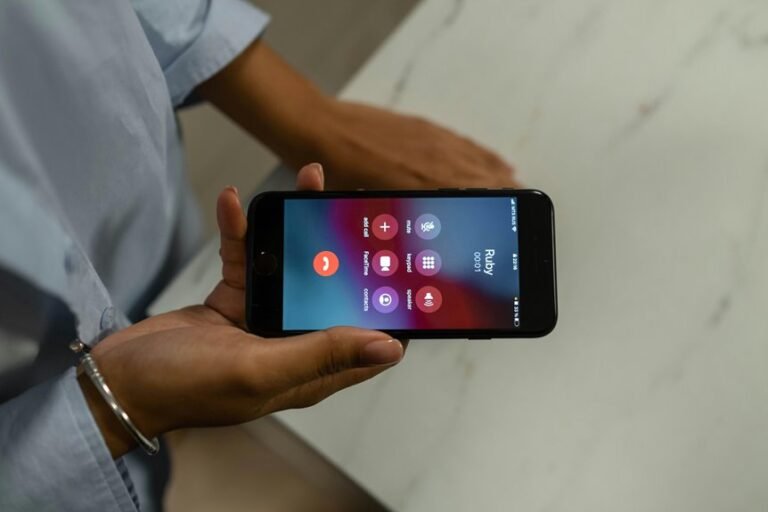
Smart Caller Radar Start 866-559-6648 Unlocking Modern Phone Lookup Insight
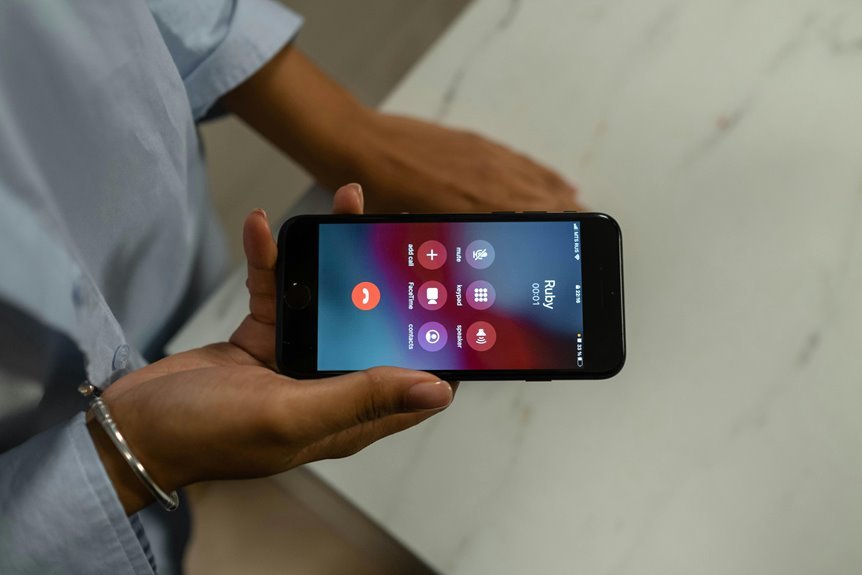
Smart Caller Radar, anchored by 866-559-6648, promises rapid, context-rich phone lookup without initiating calls. It leverages public and voluntary data, prioritizing privacy controls and auditable governance. The system aims to balance speed, accuracy, and trust while enabling autonomous decisions that respect consent. Its approach invites scrutiny of data sources and disclosure practices, inviting readers to consider implications for daily use and broader accountability, leaving a question about long-term impact to guide the next step.
What Modern Phone Lookup Really Does for You
Smart Caller Radar’s modern phone lookup tools enable users to identify callers and uncover contextual details without initiating a call. The system analyzes patterns from public and private data sources to deliver instant insights, enabling informed decisions while preserving autonomy. Users weigh privacy tradeoffs as transparency improves, yet data sources and reuse raise governance questions. Efficiency, accuracy, and freedom drive practical, targeted lookups.
How Data Powers Caller Radar: Sources and Privacy
Data powering Caller Radar draws from a mix of public records, voluntarily provided datasets, and anonymized telemetry to map caller patterns without exposing sensitive identities.
The system aggregates data sources to reveal trends, not individuals, enabling proactive blocking and labeling.
While efficiency rises, privacy implications demand transparency, rigorous access controls, and auditable disclosures to maintain user trust and freedom.
Balancing Speed, Accuracy, and Trust in Caller IDs
The balance among speed, accuracy, and trust in caller IDs hinges on efficient data processing, precise signal attribution, and transparent governance.
Rapid checks enable timely alerts, yet must respect privacy concerns and data minimization.
Systems should validate sources, reduce extraneous collection, and disclose limits.
Ultimately, trusted lookups combine robust analytics with verifiable policies, balancing agility and accountability for freedom-loving users.
Practical, Ethical Ways to Use Smart Lookup in Daily Life
How can everyday users harness Smart Lookup to enhance decision-making without compromising privacy? In daily practice, individuals compare source reliability, cross-check caller context, and respect consent boundaries. Practical use prioritizes privacy ethics and minimal data sharing, leveraging opt-in features and local processing where possible. Transparency about data collection builds trust, enabling informed choices and responsible, freedom-focused adoption of smart verification tools.
Conclusion
In a twist of coincidence, the same signals that quietly shape our calls now illuminate our choices. The system’s speed, accuracy, and consent-first design align, suggesting trust as a natural byproduct of transparency. As numbers align with data-minimized governance, users gain crisp context without intrusion. In this convergent moment, technology and ethics meet: a concise, tech-savvy tool that clarifies who calls, while honoring privacy and auditable accountability. The result is less mystery, more measured certainty.