Phone Identity Search: 5194349021, 614-756-6629, 8007066199, 498003300323, 969365213, 855-200-5453, 514-905-4020, 9377599723, 919898377 & 8777335189
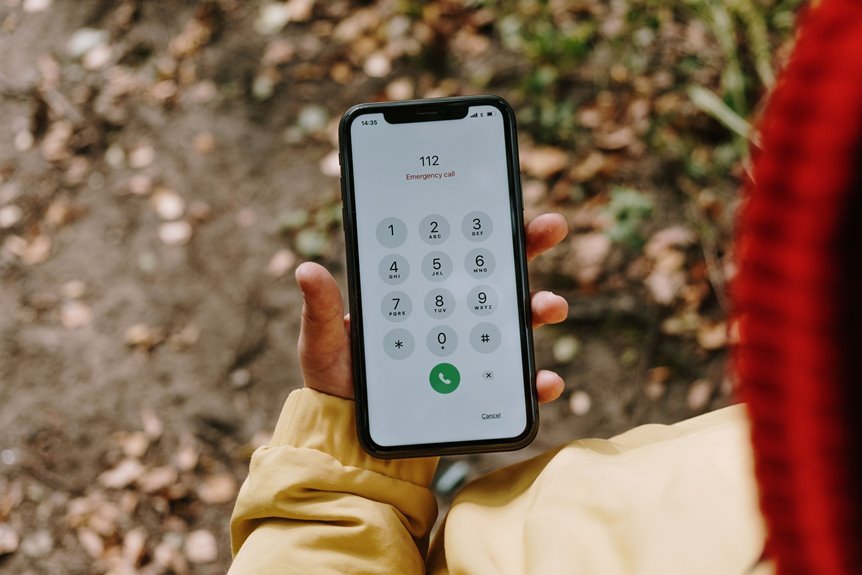
Phone identity search raises questions about who owns specific numbers and why they contact us. Each trace—from public records to carrier data—must be handled with care, given privacy concerns and the risk of misidentification. The consequences of mistakes can be real, from privacy invasion to fraud exposure. This topic invites careful, evidence-based scrutiny and clear documentation. The stakes demand vigilance as signals are weighed and ethical boundaries are respected, leaving readers to consider where to begin and how to proceed.
What Is a Phone Identity Search and Why It Matters
A phone identity search is the process of linking a phone number to its owner and related details, using public records, carrier data, and digital footprints. It emphasizes safeguarding privacy while assessing legitimacy.
The practice scrutinizes unverified numbers and highlights consent implications, urging cautious handling. It informs freedom-loving audiences about risk awareness, data accuracy, and the need for transparent, ethical verification protocols.
How to Source Reliable Caller Information Safely
To source reliable caller information safely, practitioners should start with transparent aims and verified sources, recognizing that accuracy hinges on data provenance and explicit consent.
Vigilance is essential: cross-validate, document methods, and limit data sharing.
A wary stance prevents false positives and protects privacy.
Data ethics underpins trust, ensuring accountability, consent-based access, and responsible use for individuals seeking freedom.
Interpreting Data: Distinguishing Scams From Benign Activity
Distinguishing scams from benign activity requires a disciplined, evidence-based approach that weighs context, patterns, and source credibility. Analysts examine call metadata, frequency, and interaction quality, where anomalies may indicate risk rather than certainty. Caution guards interpretation; cognitive bias and unrelated topic detours must be avoided. While possibilities exist, conclusions should rest on verifiable signals, not random speculation. Freedom-minded vigilance applies.
Practical Tips for Responsible Use and Privacy Awareness
Practical tips for responsible use and privacy awareness emphasize disciplined habits and proactive safeguards to minimize risk in everyday phone activities.
The guidance remains vigilant without alarm, urging users to question unknown numbers, verify sources, and enable essential protections.
Privacy awareness grows with mindful data sharing, secure passwords, and regular app reviews.
Responsible use entails boundaries, transparency, and informed choices that preserve personal freedom.
Frequently Asked Questions
Can You Identify the Owner of a Caller From Just a Number?
No. A number alone cannot reliably identify its owner; privacy protections and spoofing risks persist. The caller’s identity is uncertain, prompting vigilance, respect for caller privacy, and consideration of countermeasures to safeguard personal data and freedom.
Are Reverse Lookup Services Always Accurate and Up-To-Date?
Reverse lookup services are not always accurate or current; reliability myths persist. Data freshness varies by provider, and results can lag or be incomplete, demanding independent verification and cautious interpretation by users seeking autonomy and informed freedom.
How Can I Verify a Number’s Authenticity Without Revealing My Info?
Verification methods exist: use trusted apps, check caller ID inconsistencies, and rely on platform protections. Privacy tips emphasize minimizing data sharing; avoid callbacks. The stance remains vigilant, wary, and freedom-minded while evaluating each interaction with caution and skepticism.
What Legal Safeguards Exist for Phone Identity Searches?
The question highlights legal safeguards for phone identity searches, emphasizing privacy protections and data retention. It cautions readers to remain vigilant about surveillance risks, while recognizing constitutional and statutory limits that empower individuals to challenge intrusive practices.
Do Carriers Offer Built-In Protections Against Spoofed Numbers?
Carriers increasingly implement spoofing protection and caller authentication, offering modest call screening and privacy safeguards; however, they remain cautious about broader access, balancing user freedom with security.
Conclusion
A careful, vigilant reviewer notes that phone identity searches can illuminate who is behind unfamiliar calls, yet they must be pursued with rigor and restraint. Trustworthy results hinge on cross-checked sources, documented methods, and respect for privacy. The landscape is riddled with scams, so practitioners should proceed with caution, verify signals before drawing conclusions, and avoid assumptions. In short, tread carefully, or you may open a can of worms—clear evidence and cautious steps are essential.