Data Network Start 844-601-2486 Revealing Caller Lookup Intelligence
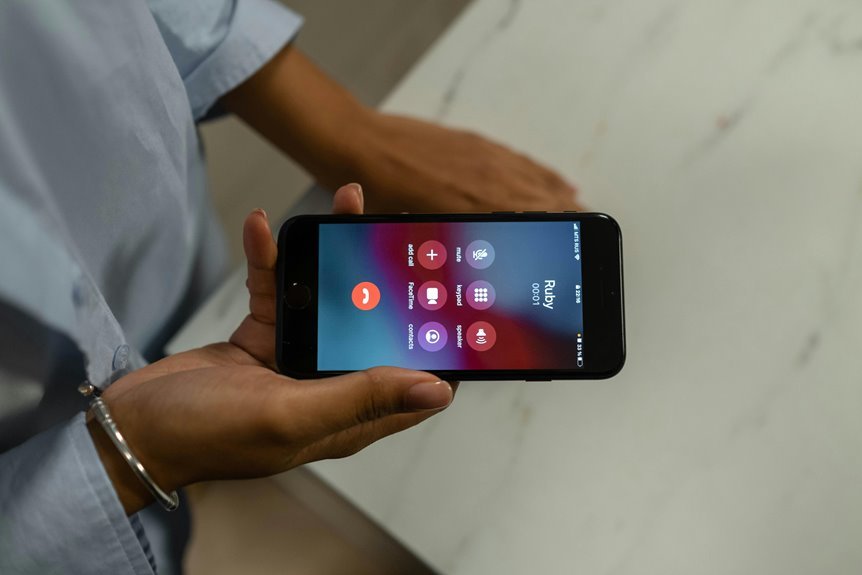
Data Network Start 844-601-2486 presents an approach to caller lookup that centers governance, privacy, and consent. It analyzes multiple signals and surfaceable identifiers to assess credibility and risk while enforcing purpose limitation and minimal exposure. The framework catalogs sources, validates data, and emphasizes auditable practices. Its disciplined methodology invites scrutiny of data flows, sharing controls, and contextual signals—leaving a careful path forward for responsible call handling and secure communications, with important questions still to address.
What Is Caller Lookup Intelligence and Why It Matters
Caller lookup intelligence refers to the systematic collection and analysis of data associated with telephone numbers to identify callers, verify identities, and assess risk.
In this framing, caller intelligence consolidates indicators across sources to map credibility and likelihood of threat. It highlights privacy risks, requiring careful governance, transparency, and purpose limitation while supporting informed decision making for users seeking autonomy and secure communication.
How Data Network Start 844-601-2486 Sources and Analyzes Signals
Data Network Start 844-601-2486 sources and analyzes signals by systematically aggregating data associated with telephone numbers from multiple repositories, then applying structured validation and scoring processes.
The approach is analytical, methodical, and precise, prioritizing transparent methodology.
It examines how data interfaces with network signals, enabling sound caller lookup.
Data sources are cross-validated to ensure reliable inferences while preserving user privacy in context.
What You Can Surface About Callers: And Where the Limits Lie
What can actually be surfaced about callers, and where do the boundaries lie? The analysis delineates what identifiers and contextual signals can be surfaced—caller IDs, assistance metadata, device fingerprints—while excluding sensitive content. Boundaries are defined by purpose, consent, and regulatory constraints. Privacy awareness and data ethics guide evaluation, ensuring data minimization, auditable processes, and proportional use within legitimate inquiry.
Best Practices for Responsible Use of Lookup Data in Everyday Communications
Guided by prior considerations of what can be surfaced about callers and the boundaries that regulate such data, the first paragraph outlines practical norms for using lookup information in everyday communications.
The framework emphasizes caller privacy and data ethics, promoting consent-based access, minimal exposure, and transparent purposes.
It favors auditable practices, restricted sharing, and accountability to balance informational value with individual rights and freedom.
Conclusion
This examination of caller lookup intelligence emphasizes a governance-first approach: validate signals, minimize exposure, and respect consent. By aggregating diverse indicators—surface identifiers, context signals, and device fingerprints—without compromising privacy, organizations can assess risk while preserving trust. For example, a financial services firm might block a high-risk telephony beacon identified through cross-source validation, then require additional verification for lower-risk calls. The result is informed, responsible call handling that aligns security interests with user privacy.