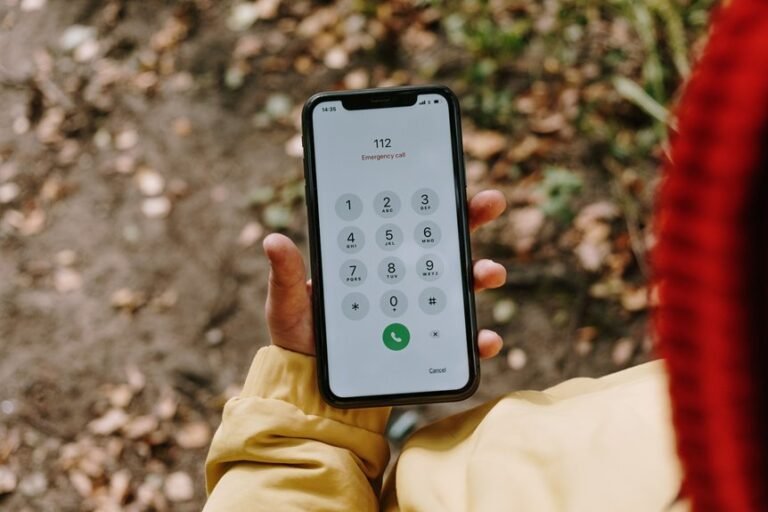
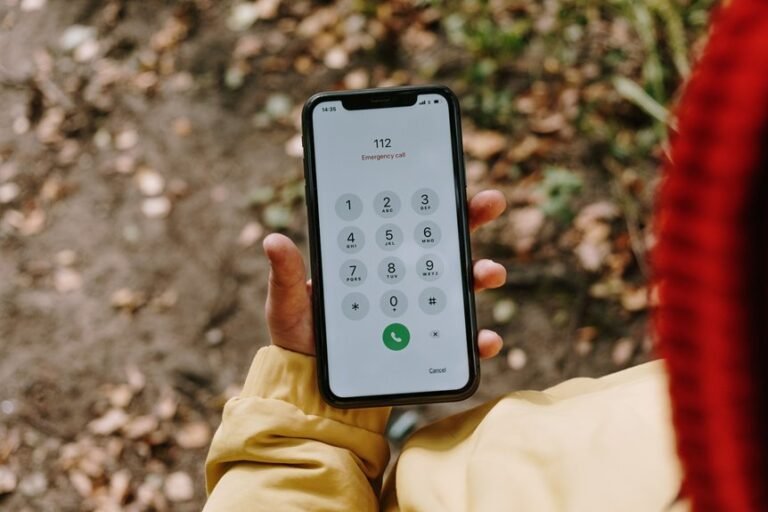
Caller Contact Investigation: 6612811279, 8643364938, 8442397575, 918-558-3199, 8007457354, 8666025998, 8333810036, 7088280220, 2132418100 & 873 730 1016

Caller contact investigation centers on assessing potential exposure linked to the listed numbers while safeguarding privacy. The approach is methodical: document sources, verify identities through independent channels, and use privacy-preserving tools to cross-check records. Red flags and patterns guide escalation, with careful note-taking to balance risk and rights. Questions remain about legitimacy and process, inviting scrutiny of verification steps and the safeguards that prevent disclosure of personal data. The path forward requires disciplined scrutiny and precise actions.
What Is Caller Contact Investigation and Why It Matters
Caller contact investigation is a systematic process used to identify and reach out to individuals who may have been exposed to a contagious disease through a caller’s direct interaction.
It emphasizes protecting Caller identity while maintaining privacy, ensuring accurate notifications, and documenting steps.
This practice supports scam awareness, reduces misinformation, and promotes informed decisions without coercion, fostering cautious, transparent public health collaboration.
How to Trace a Caller: Data Points, Tools, and Privacy Considerations
Tracing a caller involves a careful, stepwise collection of relevant data points, the use of specialized tools, and strict adherence to privacy protocols. The process centers on documenting caller data, cross-referencing records, and implementing privacy safeguards. When foreign numbers appear, verification steps ensure legitimacy while preserving anonymity. Tools enable traceability without overreach, maintaining freedom and respect for individual rights.
Evaluating Legitimacy: Red Flags, Patterns, and Verification Steps
In evaluating legitimacy, the focus shifts from data collection to pattern recognition and verification. Analysts identify recurring indicators: inconsistent caller narratives, misrepresented affiliations, and anomalous contact timing. Verification steps include cross-checking sources, corroborating with independent records, and documenting decisions. Caution is essential to minimize false positives, while ethical safeguards ensure privacy, proportionality, and transparent criteria guiding risk assessment and escalation.
Practical Action: How to Respond to Unfamiliar Calls and Protect Yourself
Many unfamiliar calls should be treated with caution and a structured response protocol to minimize risk. The subject adopts a methodical, detached stance, outlining concrete steps: verify identity via independent channels, avoid sharing personal data, and suspend engagement if suspicion rises. Essential habits include call screening, documenting metadata, and resisting unrelated topic diversions or random discussion that may obscure intent. Stay vigilant.
Frequently Asked Questions
Can These Numbers Be Part of a Scam Cluster?
Yes, they could form part of Caller Patterns within Scam Clusters, though transcripts accuracy and legitimate calls must be evaluated; careful legal tracing and reporting confidentiality considerations guide the assessment, ensuring cautious, methodical handling and freedom-respecting inquiry.
How Often Do Legitimate Calls Come From Blocked Numbers?
A notable statistic shows that a small fraction, about 1–3%, of blocked-number calls are legitimate. Legitimate call frequency from blocked numbers remains rare, but possible, reflecting privacy concerns and data retention policies shaping cautious, methodical assessments for freedom-seeking audiences.
Do Call Transcripts Reveal Caller Intent Accurately?
Transcript accuracy of caller intent is limited; transcripts may misinterpret nuance, though patterns in a scam cluster emerge. Legitimate blocked calls and confidential reporting require careful tracing limits, acknowledging potential bias and the need for corroborating evidence.
What Legal Limits Exist for Tracing Caller Data?
Legitimate tracing of caller data is governed by privacy laws and warrants; safeguards exist to limit disclosure. Two word discussion idea1 and two word discussion idea2 guide careful, transparent approaches, balancing investigative needs with individual rights and due process.
How Can I Report Suspicious Calls Confidentially?
Report suspicious calls privately by using reporting channels with confidentiality safeguards; information submitted remains confidential and nonessential for other H2s, ensuring a careful, lawful process that respects personal freedom while enabling oversight and accountability.
Conclusion
Caller contact investigation requires a careful, methodical approach to verify potential exposure while upholding privacy. The process uses independent corroboration, cross-checking, and privacy-preserving tools to minimize risk and avoid unnecessary disclosure. An anticipated objection—“this is invasive”—is addressed by documenting metadata, limiting data sharing, and escalating only when legitimacy is uncertain. By maintaining transparent records and following verified procedures, investigators balance individual rights with public health protection, ensuring accurate notifications without compromising personal information.