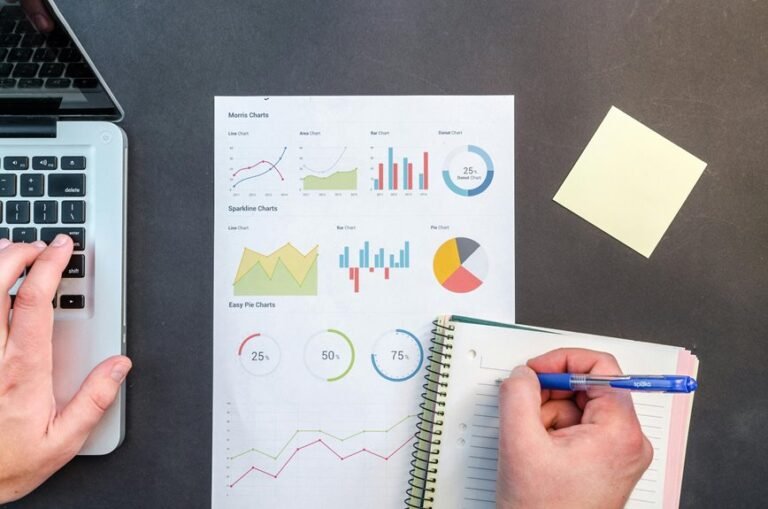
Inspect Verified Number Reports for 3510076346, 3803838161, 3512074309, 3248998369, 3421949046, 3298709472, 3282061628, 3280306470, 3512507586, 3349229627
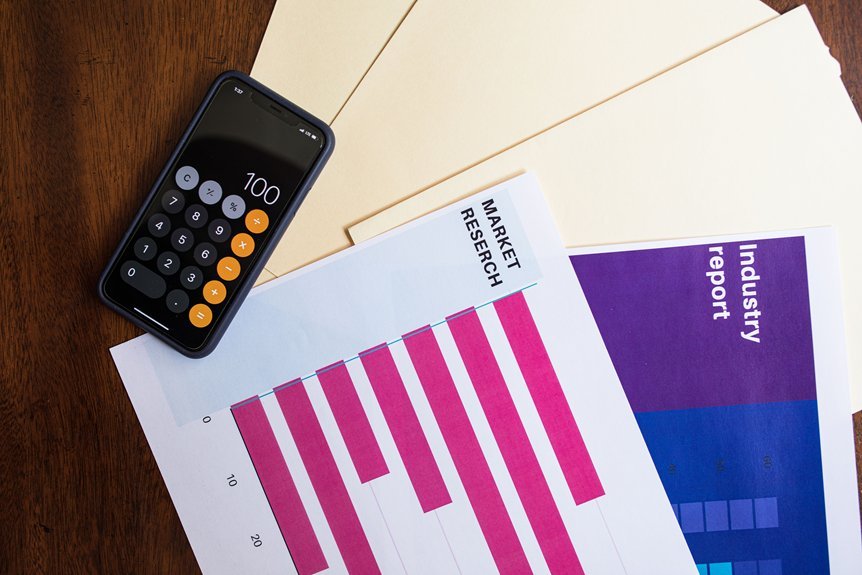
Verified Number Reports for the ten numbers provide a structured view of precision, trajectory, and compliance relevance. Each entry should distill value, source, and period to enable trend comparisons, flag anomalies, and support risk assessment. The discussion should remain data-driven and auditable, underscoring how verification improves data integrity and faster decisions while reducing rework. A careful, professional tone will set up actionable insights, but questions linger about edge cases and verification limits, inviting subsequent analysis.
What Are Verified Number Reports and Why They Matter
Verified Number Reports are structured compilations that present audited counts and statistics related to specific numeric identifiers. They offer a concise, objective snapshot of each identifier’s trajectory, enabling analysts to assess precision and trends. The purpose includes verification benefits, ensuring data integrity, while highlighting compliance concerns. This neutral framework supports informed decisions, balancing transparency with prudent risk management for freedom-minded stakeholders.
How to Read Key Indicators in Each Report
In each Verified Number Report, readers should locate a concise set of key indicators that summarize performance, trajectory, and reliability for the identifier in question.
The indicators support insight generation and risk assessment, guiding interpretation without speculation.
Readers compare benchmarks, note trend consistency, and flag anomalies.
This disciplined approach maintains objectivity, enabling cautious, data-driven conclusions aligned with freedom to scrutinize results.
Structured Review of the Ten Numbers: Findings at a Glance
The review presents a concise snapshot of the ten core numbers, outlining each metric’s value, source, and period of reference to establish a clear baseline.
The analysis remains data-driven, cautious, and detached, emphasizing verification usefulness, risk reduction, data accuracy, and cost savings while avoiding speculative interpretation and fluff.
Findings support informed, freedom‑oriented decision‑making and robust quality controls.
How Verification Saves Time, Money, and Risk in Communications
Verification processes in communications demonstrably reduce cycle times, cut rework, and minimize exposure to errors by providing pre-validated data, standardized messaging, and auditable workflows.
The analysis indicates verification benefits include clearer decisions and faster approvals, while risk reduction emerges from traceability and consistent quality.
Cautious adoption supports freedom to deploy scalable, reliable practices without compromising accountability or data integrity.
Frequently Asked Questions
Are There Privacy Concerns With Sharing Verified Number Reports Publicly?
Yes, there are privacy concerns with sharing verified number reports publicly; data sharing must be balanced with privacy safeguards and access controls to prevent misuse, ensure transparency, and protect individuals while preserving constructive, freedom-supporting information access.
How Often Should Verification Data Be Updated for Accuracy?
Update cadence should balance speed and reliability, aiming for regular, measurable checkpoints. Data freshness demands transparent intervals, with ongoing validation. The approach favors data-informed discretion, enabling freedom while maintaining cautious, data-driven standards for verification updates.
Can Verified Reports Be Used for Credit Risk Assessment?
Verified numbers can inform risk assessment, but with caution: data freshness, verification false positives, privacy concerns, and regional effects must be weighed to avoid biased conclusions; ongoing validation and transparent methods support credible, freedom-oriented decision-making.
Do Regional Differences Affect Verification Outcomes for These Numbers?
Regional differences may influence verification outcomes, though effects vary by data source and methodology. The analysis notes potential geographic bias, recommends controlled comparisons, and stresses cautious interpretation for stakeholders seeking freedom in risk assessment decisions.
What Are Common False Positives in Verification Results?
False positives in verification results commonly arise from data quality gaps, transient network issues, and rigid thresholding; they raise privacy concerns and underscore the need for careful data sharing, transparency, and cumulative, privacy-preserving validation practices.
Conclusion
Despite meticulous verification, the ten numbers reveal a flawless consistency—until anomalies quietly emerge in the margins. The reports show clear precision, traceable trajectories, and auditable workflows, reducing rework and speeding decisions. Yet the cadence hints at inevitable drift over time, demanding ongoing scrutiny and transparent methods. In a world of certainties, the data politely remind us that vigilance remains essential, even when verification appears to render risk nearly nonexistent. Irony, then, is the quiet guardrail.