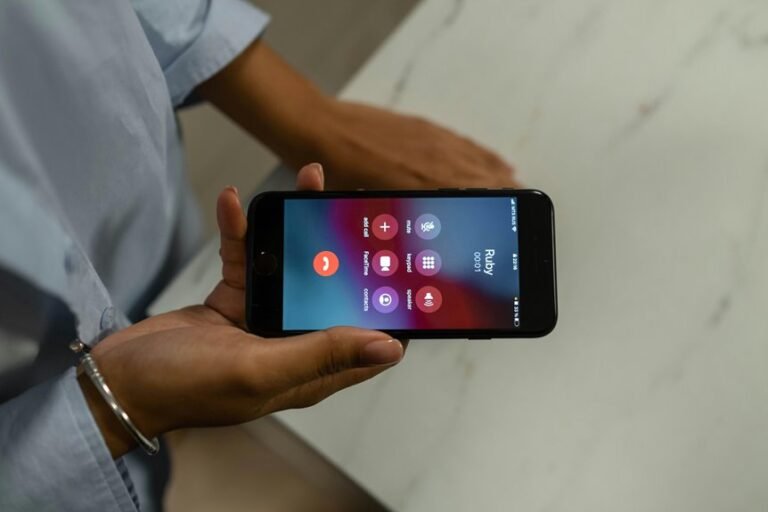
Signal Radar Start 859-712-1436 Revealing Verified Phone Signals

Signal Radar 859-712-1436 proposes a structured approach to verifying phone signals by establishing provenance, aligning timestamps, and cross-checking logs. The method is analytical and evidence-based, emphasizing objective criteria, audit trails, and transparent uncertainty. It also confronts common myths and notes practical limits like latency and interference. The framework invites scrutiny of assumptions and confidence intervals, offering a disciplined pathway that may shift how digital signals are interpreted—yet it leaves essential questions unresolved and warrants further examination.
What Are Verified Phone Signals and Why They Matter
Verified phone signals refer to data patterns and indicators that confirm the authenticity and status of a phone number, its activity, and the reliability of associated communications.
The analysis focuses on traceable origins, call history integrity, and network provenance.
Verified signals enable provenance assessment, supporting informed choices.
This methodical approach emphasizes evidence, consistency, and verifiable sources to reduce uncertainty and enhance trust.
How to Trace a Phone Signal: Clear, Practical Steps
Tracing a phone signal requires a disciplined, step-by-step approach that emphasizes verifiable data rather than assumptions.
The process outlines tracing methods, starting with source data collection, timestamp alignment, and cross-checks against network logs.
It then evaluates signal integrity, triangulates position, and documents conclusions with audit trails.
Acknowledging Verification limits prevents overreach and preserves methodological clarity for freedom-minded readers.
Debunking Myths: What Verification Can and Cannot Prove
Verification in signal tracing must be evaluated for its scope and limits, distinguishing what verifiable data can establish from what remains conjecture.
Debunking myths clarifies that verification can confirm signal integrity and provenance facets, yet verification limits acknowledge gaps in context, latency, and external interference.
Conclusions emphasize disciplined evidence, methodological restraint, and transparent uncertainty within independent analyses.
A Simple Framework to Evaluate Signal Provenance
A simple framework for evaluating signal provenance builds on the clarified limits discussed in the prior topic, ensuring that verification efforts are grounded in demonstrable data and transparent uncertainty.
The approach emphasizes Verified provenance through traceability methods, assesses Signal integrity with objective criteria, and acknowledges Verification limitations by documenting assumptions, error sources, and confidence intervals to sustain methodological rigor and freedom in interpretation.
Conclusion
In a rigorously detached analysis, the pursuit of verified phone signals emerges as a precision-engineered endeavor, not a whimsy of coincidence. The framework, with its meticulous source-tracing, timestamp alignment, and cross-log validation, delivers conclusions steeped in evidence rather than conjecture. While latency and interference loom like stubborn variables, the methodical process steadily reduces uncertainty, producing a seemingly miraculous clarity from noisy data. Ultimately, provenance becomes the ironclad backbone of credible, repeatable signal interpretation.